Liquid waste hauling
Pump-outs that schedule, prove and bill themselves
Grease traps, septic tanks and portable toilets on a service interval, gallons and manifests recorded at the stop, and the disposal receipt on the record before the invoice goes out.
Last updated
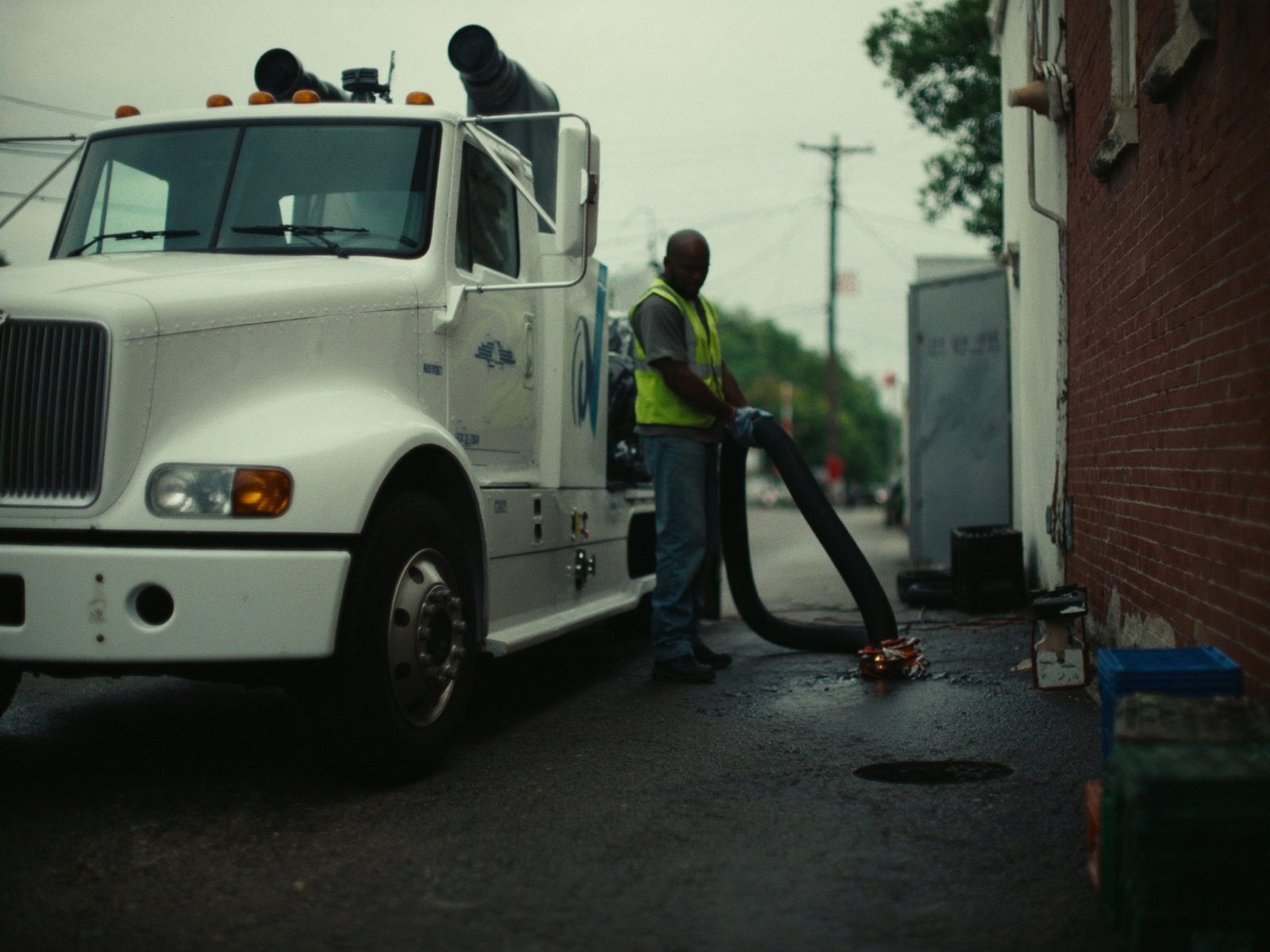
Liquid waste is regulated work on a clock. A grease trap that goes too long backs up a kitchen; a septic tank that's never on the schedule becomes an emergency call. In WaysteStar, each site carries its tank or trap size and its pump-out interval, so the visits land on the route on their own. The driver records the gallons and the manifest at the stop, the disposal receipt follows the load, and billing picks up the visit with the numbers already on it.
- Grease trap, interceptor and septic pump-outs on one schedule
- Portable toilet rentals, from delivery to weekly service to pickup
- Gallons, manifest and disposal receipt on every visit
Liquid waste breaks when the paperwork lives in the truck
Most of the trouble comes from records that never make it back to the office.
- A kitchen's 90-day trap service slips because nobody put the next visit on the calendar.
- The manifest is a carbon copy on the dash, and the inspector wants it next month.
- Gallons pumped are written on a clipboard and typed in again for the invoice.
- The treatment plant receipt never matches up with the visits it covers.
- A restaurant group with six kitchens gets six invoices nobody can reconcile.
- An emergency call bumps a scheduled pump-out and it's never rebooked.
- Nobody can say which portable toilets are on which job site, or when each was last serviced.
Capabilities
Liquid waste capabilities
From the site record to the paid invoice.
Tank and trap records
Each site carries its tank or trap size, location and access notes.
Pump-out intervals
Every 30, 60 or 90 days, or your own interval, and the visits land on the route.
Gallons at the stop
The driver records gallons pumped on the cab tablet, with a photo.
Manifests
A manifest for every load, signed at the site and kept on the record.
Disposal receipts
The treatment plant receipt is attached to the loads it covers.
Billing by gallon or visit
Charge a flat visit, by the gallon, or a visit with gallons over a limit.
Emergency calls
Add a same-day pump-out without losing the scheduled one.
Site history for inspectors
Every pump-out, gallon count and manifest for a site in one place.
One account, many kitchens
A restaurant group's sites roll up to one billing account.
Portable toilet rentals
Units delivered to a job site or event, serviced on a schedule and picked up at the end.
Every unit accounted for
See which units are on which site, and when each one was last serviced.
Rental billing
Bill each unit by the month or the event, with extra service visits added.
How a pump-out runs
One site record, from the schedule to the invoice.
Step 1
Schedule the site
Set the tank or trap size and the pump-out interval once.
- Visits land on the route on their own
- Access notes for the service entrance
- Emergency calls added beside them
Step 2
Pump and record
The driver finds the site, pumps it and records the load at the stop.
- Gallons pumped and a photo
- Manifest signed at the site
- Skipped visits need a reason
Step 3
Dispose and bill
The receipt from the treatment plant closes out the load.
- Disposal receipt attached
- Billed by the gallon or the visit
- Next pump-out already scheduled
Liquid waste software checklist
Tick what your current system does today. Anything left unticked is paperwork someone is doing by hand.
0 of 12 checked
Have a question?
Frequently asked questions
Yes. Grease traps, interceptors and septic tanks each carry their size and interval on the site record, and run on the same schedule and route.
Yes. Charge a flat visit, a price per gallon, or a visit that includes gallons up to a limit with a charge beyond it.
On the load. Each one is kept with the site's pump-out history, so you can pull every manifest for a site when an inspector asks.
Yes. A customer can have a grease trap, a front-load container and a roll-off on one account, and one billing run covers them all.
Yes. Deliver units to a job site or event, service them on a schedule, pick them up at the end, and bill each unit by the month or the event.
Still curious? Call (779) 256-5501